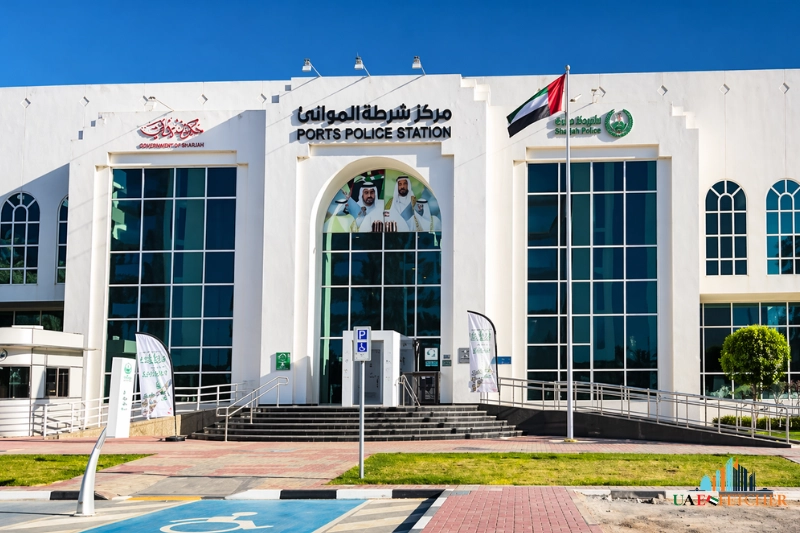
Port Police Station Explained in Simple Terms for Everyday Understanding
A Port Police Station is a specialized law enforcement facility responsible for maintaining safety, enforcing laws, and managing security within port areas, harbors, and coastal terminals. Unlike regular police stations, it operates in a complex environment where maritime activity, cargo movement, and international trade intersect. This makes its role critical not only for public safety but also for economic stability and border security.
In major port zones, these stations work in coordination with authorities such as Dubai Police and Abu Dhabi Police, ensuring that both land and maritime operations remain secure and compliant with regulations. Their presence helps prevent illegal activities, streamline operations, and support emergency response systems.
What Is a Port Police Station?
A port police station is a dedicated policing unit located within or near port facilities. Its jurisdiction typically covers docks, shipping terminals, container yards, and nearby coastal areas. The primary objective is to enforce maritime and criminal laws while ensuring that port operations run smoothly.
Unlike traditional police stations that focus on urban or residential areas, port police handle issues directly related to shipping, cargo handling, and maritime movement. This includes dealing with international crews, cargo inspections, and cross-border activities. Their work often involves collaboration with customs authorities and maritime regulators, creating a multi-layered security system.
Key Responsibilities of Port Police
The responsibilities of port police are diverse because of the dynamic nature of port environments. Their duties extend beyond standard law enforcement and include both preventive and operational roles.
- Monitoring and preventing criminal activities such as theft and smuggling
- Conducting patrols across docks, terminals, and coastal zones
- Verifying vessels, crew documentation, and cargo movement
- Responding to emergencies, including accidents and security threats
- Supporting investigations related to maritime crimes
- Coordinating with customs and security agencies
These responsibilities ensure that ports remain safe spaces for workers, businesses, and international trade operations.
Major Port Locations and Jurisdiction Coverage
Port police stations are strategically located in areas with high maritime activity. Their jurisdiction is defined by the operational boundaries of major ports and surrounding coastal infrastructure.
Dubai Port Areas
Ports in Dubai are among the busiest in the region, requiring strong policing systems.
- Jebel Ali Port serves as one of the largest container ports globally, making it a key focus area for port police operations.
- Port Rashid handles cruise ships and cargo, requiring both tourism-related and commercial security oversight.
Abu Dhabi Port Areas
- Khalifa Port is a major trade hub with advanced logistics infrastructure.
- Zayed Port supports both cargo and passenger traffic, adding complexity to policing requirements.
Other Coastal Ports
- Khor Fakkan Port plays a vital role in regional shipping routes.
- The Port of Fujairah is strategically located along global oil shipping lanes.
Each of these locations has specific operational challenges, and port police adapt their strategies accordingly.
Services Offered at Port Police Station
Port police stations provide a range of services designed to address both public and operational needs within port areas.
- Filing police reports for incidents occurring within port zones
- Handling lost and found items, including documents and cargo
- Registering complaints related to cargo theft or disputes
- Assisting with security clearance procedures for port workers
- Responding to emergencies and accidents
- Supporting investigations involving maritime activities
These services are essential for maintaining order and ensuring that port operations remain uninterrupted.
How the Port Police Operates
The operational model of port police is structured and highly coordinated. It involves continuous monitoring, rapid response systems, and collaboration with multiple agencies.
Port police rely on advanced surveillance systems to monitor activities in real time. They work closely with organizations such as the Federal Authority for Identity, Citizenship, Customs, and Port Security, which oversees border control and customs enforcement. Additionally, port operators such as DP World and Abu Dhabi Ports play a significant role in maintaining infrastructure and coordinating operations.
When an incident occurs, the response process typically includes identification, verification, and immediate action. This structured workflow ensures efficiency and minimizes disruption.
Security Measures and Technology Used
Modern port policing depends heavily on technology and advanced security systems. These tools help manage large volumes of cargo and high levels of human activity.
- CCTV monitoring systems covering terminals and entry points
- Container scanning technologies for detecting illegal goods
- Access control systems for restricted areas
- Maritime patrol units for coastal surveillance
- Radar and tracking systems for vessel monitoring
These measures create a layered security framework that reduces risks and enhances operational efficiency.
Legal Authority and Regulations
Port police operate under a defined legal framework that combines criminal law, maritime regulations, and customs policies. Their authority allows them to enforce laws within port boundaries and take action against violations.
This includes handling cases related to smuggling, illegal entry, and cargo-related crimes. They also ensure compliance with port regulations and international maritime standards. Legal procedures followed by port police are structured to maintain transparency and accountability.
Difference Between Port Police and Other Agencies
Port police are often confused with other enforcement agencies, but their role is distinct.
Port police focus on law enforcement within port areas, while city police handle urban crime. In contrast, the UAE Coast Guard is primarily responsible for offshore security and territorial waters. Customs authorities, on the other hand, deal specifically with goods entering or leaving the country.
This division of responsibilities ensures that each agency can specialize in its area while maintaining coordination.
Facilities and Infrastructure
A port police station is equipped with specialized infrastructure to support its operations. This includes control rooms for monitoring activities, communication centers for coordination, and holding areas for detainees.
Patrol vehicles and marine units are also part of the infrastructure, enabling officers to cover both land and water areas effectively. These facilities are designed to handle the unique demands of port environments.
How to Contact or Visit a Port Police Station
Accessing a port police station requires following specific procedures due to security restrictions in port areas.
| Service Type | Contact Method | Details |
| Emergency | 999 | Immediate response for urgent incidents |
| Non-Emergency | 901 | General inquiries and minor complaints |
| In-Person Visit | Authorized Entry | Requires a valid ID and permission |
| Complaint Submission | Police Desk | Available within the port jurisdiction |
Visitors must carry valid identification and may need prior authorization depending on the port’s security level.
Common Issues Handled by Port Police
Port police deal with a wide range of issues that arise in port environments. These cases often involve both legal and operational complexities.
Common cases include cargo theft, smuggling activities, and disputes between workers or companies. They also handle lost documents, maritime accidents, and unauthorized access incidents. Their ability to manage these situations effectively is crucial for maintaining order.
Importance of Port Police in Trade and Security
Port police play a vital role in ensuring the smooth functioning of trade and logistics. Ports are gateways for imports and exports, and any disruption can have significant economic consequences.
By preventing illegal activities and maintaining order, port police support business operations and protect national interests. Their presence also enhances confidence among international partners and investors.
Must Explore: Al Qusais Police Station
Conclusion
A Port Police Station is an essential component of maritime infrastructure, combining law enforcement, security management, and operational coordination. Its role extends beyond traditional policing, addressing the unique challenges of port environments.
Through collaboration with key authorities, use of advanced technology, and a structured approach to operations, port police ensure that ports remain secure, efficient, and reliable. Whether handling emergencies, enforcing regulations, or supporting trade activities, their contribution is fundamental to the overall safety and stability of port systems.
Frequently Asked Questions
What does the port police do?
Port police enforce laws within port areas, manage security, and handle incidents related to maritime operations.
How can I file a complaint?
You can file a complaint by visiting the nearest port police station or contacting the non-emergency helpline.
Is the port police different from regular police?
Yes, port police specialize in maritime and port-related issues, while regular police focus on general urban law enforcement.
Who controls security at ports?
Security is managed through coordination between police, customs authorities, and port operators.
Can civilians visit a port police station?
Yes, but access may require authorization due to restricted port entry regulations.
Leave a Reply