
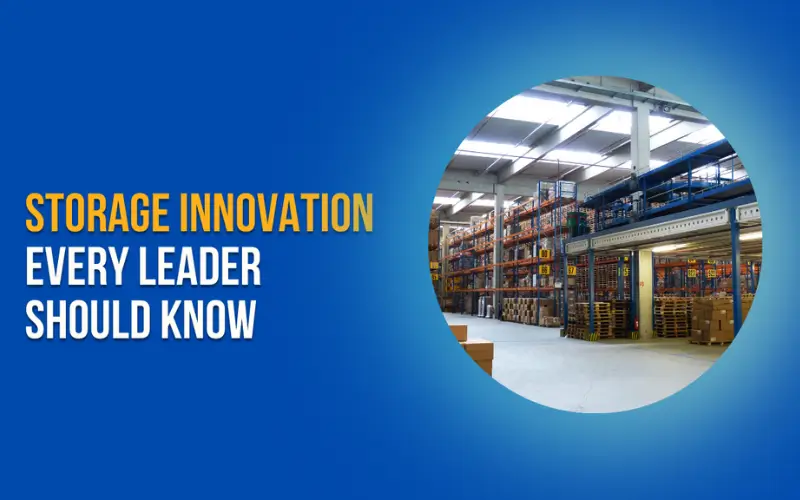
In today’s fast-paced business environment, efficient storage and warehousing solutions are no longer optional—they are essential. According to recent business news, companies are increasingly investing in advanced storage technologies to streamline operations, cut costs, and meet growing customer expectations. From automated warehouses to smart inventory management, innovations in storage are reshaping how businesses operate. For executives and entrepreneurs, staying informed about these trends is crucial. This article explores the latest developments in storage, offering insights business leaders need to know to stay competitive.
The Role of Storage in Modern Business
Storage is more than just a place to keep products—it is a critical component of the supply chain. Proper storage affects product availability, order fulfillment, and overall operational efficiency. According to recent business news, companies that adopt modern storage solutions often report significant improvements in turnaround time, inventory accuracy, and customer satisfaction.
As e-commerce grows and global supply chains become more complex, warehouses are under increasing pressure to handle larger volumes of products while maintaining efficiency. This is where warehouse construction and innovative storage solutions intersect, providing businesses with the flexibility to scale operations without excessive overhead.
Trends Driving Innovation in Storage
Several key trends are shaping the storage and warehouse sector. Understanding these developments allows business leaders to make informed investment decisions.
1. Automation and Robotics
Automation is perhaps the most significant innovation in modern storage. Automated storage and retrieval systems (ASRS), robotic pickers, and conveyor systems reduce human error, speed up operations, and cut labor costs. Businesses adopting robotic solutions can manage higher volumes of inventory with precision, ensuring faster order fulfillment and better customer service.
In warehouse construction, incorporating automation during the design phase allows for optimized layouts, reducing wasted space and improving workflow. Modern warehouses are being built with robotic lanes, vertical storage systems, and automated sorting stations to maximize efficiency.
2. Smart Inventory Management
Traditional inventory tracking is becoming obsolete. Advanced warehouse management systems (WMS) now use artificial intelligence and IoT devices to monitor stock levels in real-time, predict demand, and prevent shortages. This technology allows businesses to make data-driven decisions about procurement, storage, and distribution.
For example, smart sensors can alert managers when stock is nearing expiry or when specific items need replenishment. These insights, reported in recent business news, help businesses reduce waste and improve operational accuracy.
3. Modular and Scalable Warehouse Design
Modern warehouses are no longer static structures. Innovative warehouse construction now emphasizes modular designs that can be scaled up or down according to business needs. Prefabricated modules, adjustable shelving systems, and flexible layouts allow companies to respond quickly to market fluctuations without undergoing costly renovations.
Businesses that invest in scalable storage infrastructure can expand rapidly, especially during peak seasons, without disrupting ongoing operations. This flexibility has become a crucial competitive advantage.
4. Sustainable Storage Solutions
Environmental responsibility is increasingly influencing business decisions. Sustainable storage solutions, such as energy-efficient lighting, solar-powered facilities, and eco-friendly building materials, are gaining popularity. Green warehouses reduce operational costs while demonstrating corporate responsibility, a factor highlighted in the latest business news.
Sustainable warehouse construction also includes optimizing space to reduce energy consumption and implementing climate control systems that minimize environmental impact. Companies adopting green technologies often benefit from tax incentives and improved brand reputation.
5. Cold Chain Innovations
For industries such as food, pharmaceuticals, and chemicals, maintaining temperature-controlled storage is critical. Innovations in cold chain storage, including automated refrigeration systems and temperature-monitoring sensors, ensure product integrity and compliance with regulations.
Businesses leveraging these technologies can minimize spoilage, improve safety standards, and meet customer expectations for quality and reliability. Cold storage solutions are increasingly integrated into new warehouse construction projects to provide a seamless, high-tech storage experience.
Challenges and Considerations
While storage innovations offer numerous benefits, businesses must navigate several challenges. The upfront cost of implementing automation or smart systems can be significant. Additionally, employees need training to adapt to new technologies.
Security is another critical concern. As warehouses become more connected and digitalized, protecting inventory and data from cyber threats becomes a top priority. Business leaders must invest in robust cybersecurity measures alongside physical security systems to safeguard assets.
Finally, integrating new storage solutions with existing systems can be complex. Careful planning during the design and construction phase can prevent costly delays and ensure a smooth transition.
Why Business Leaders Should Act Now
The storage and warehouse sector is evolving rapidly. Companies that delay adopting innovative solutions risk falling behind competitors who can deliver faster, more accurate, and cost-effective services. According to business news reports, early adopters of advanced storage technologies often see significant ROI within the first few years.
Investing in modern warehouse construction not only enhances operational efficiency but also positions businesses for long-term growth. Leaders who understand these trends can leverage storage innovations to improve supply chain resilience, enhance customer satisfaction, and increase profitability.
Conclusion
Innovation in storage is no longer just a technical upgrade—it is a strategic imperative. From automation and smart inventory management to scalable, sustainable warehouse designs, businesses that embrace these advancements gain a competitive edge.
For business leaders in Dubai and beyond, partnering with experienced professionals in warehouse construction ensures that storage facilities are designed for maximum efficiency, adaptability, and sustainability. Staying informed about the latest trends and implementing forward-thinking solutions allows companies to thrive in today’s dynamic marketplace.
Whether you are expanding your operations, upgrading your storage systems, or planning a new facility, investing in innovative storage solutions is a decision that can drive operational excellence and long-term success.
Must Visit: How to Apply for a Ratibi Bank Card in the UAE
Last modified: January 23, 2026